August 16th, after 64 days in the hospital we brought our tiny four-pound, six-ounce baby home. We were excited to be done with the NICU but nervous to be solely responsible for such a tiny fragile little boy. He had developed so much in those two months in hospital. He was small but seemingly healthy. However, he had developed a pretty intense case of reflux while in the NICU. We spoke with his neonatologists and ran tests that didn’t show us anything other than reflux. They just kept telling us it was his “preemie gut” and who were we to question his doctors?
His reflux was more than just spitting up. It was projectile vomiting after every bottle, not being able to lay flat, and being labeled “failure to thrive” because he couldn’t gain weight. Our pediatrician helped us jump through all the hoops to try and help him. We did reflux medicine, special formulas, and I even sought help from a chiropractor. Nothing really made a difference for him. I just thought this was our fate. Severe Reflux.
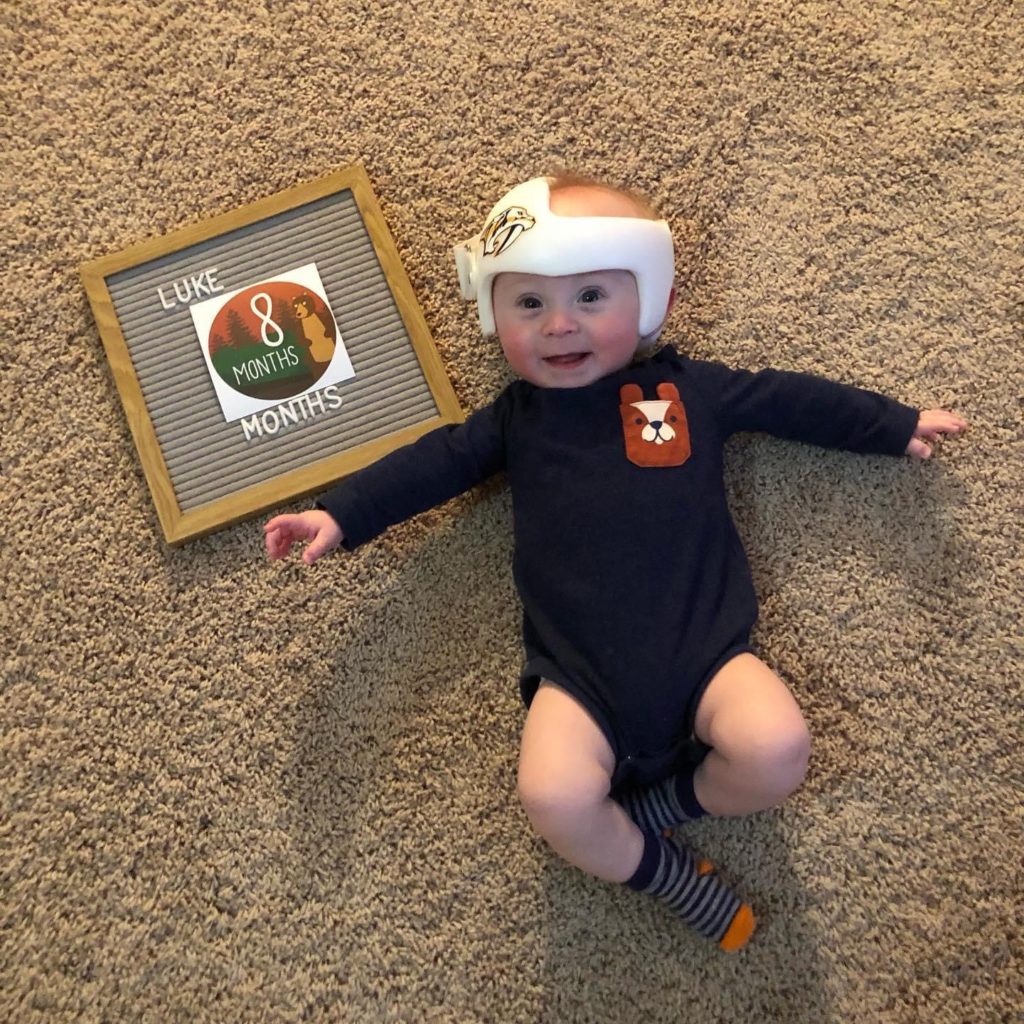
Let’s fast forward to eight-month-old Luke. He had not grown out of his reflux, but we had all just learned to deal with it until he started having frequent brown vomits. We were recommended to a gastroenterologist. I was hesitant that this would help because we saw a GI doctor shortly after he left the NICU who told us what everyone else did, “preemie gut and that he would grow out of it”.
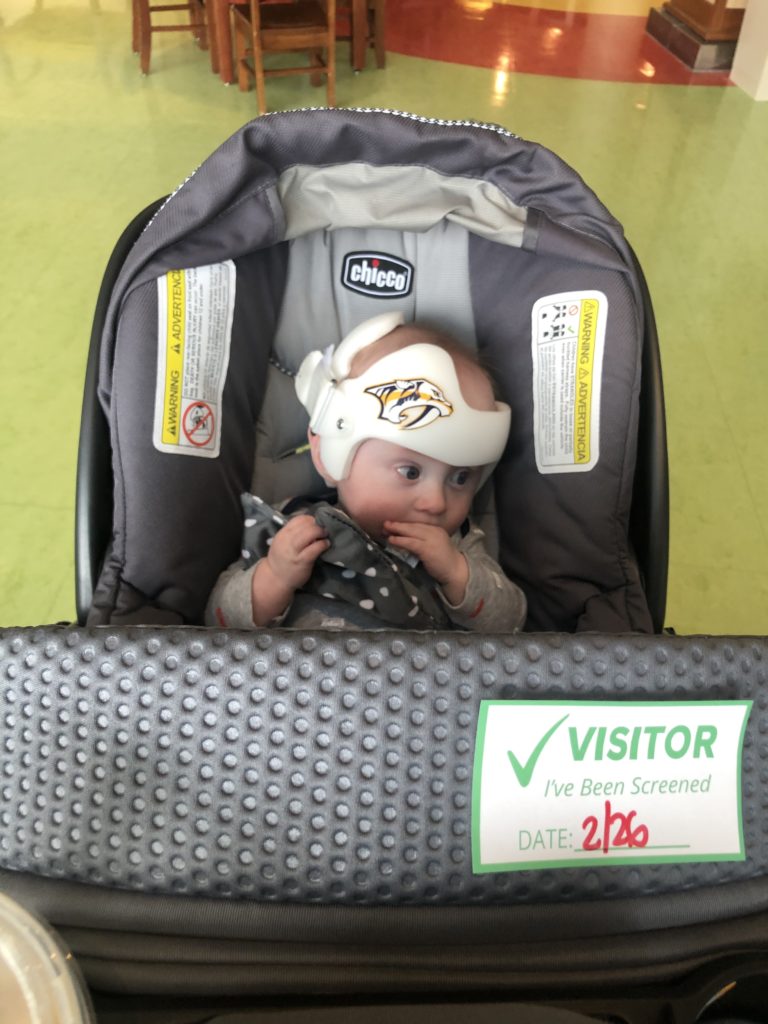
It only took a few weeks to get into to see his new doctor. At this point of the pandemic only one parent was allowed in with their child still, Daniel took us to Nashville and waited in the car while I took him in to meet his new doctor. This doctor was very thorough. He asked a lot of questions, took a lot of notes and just made me feel very heard. Luke even vomited while we were there, so he got the full experience. That brown color I described, was dried blood. My child had been vomiting so much, for so long, it was eroding his little esophagus and we were seeing the effects. GI wanted him to have an upper GI scan with contrast done. We got on the schedule for that within a couple days.
Daniel and I made the decision that I would go alone for his testing. He had already taken off work that week once and was only going to be able to sit in the parking lot. I also just felt like this test was going to be as fruitless as the others. Luke and I showed up that morning thirty minutes early and Luke had an empty belly, as requested. An upper GI scan consists of laying your baby under neath an x-ray machine and feeding him a contrast dye while they image him swallowing and watch it empty into his belly. Simple enough, right? Not simple. Me and several nurses hold him still while they force feed him dye through a syringe. It sucks. He wanted to be held and all I want to do was hold him.
I wasn’t aware that at this hospital a doctor did the testing so instead of having to wait on a doctor to call with results she was able to show me exactly what she was seeing as she was doing the tests. So here is my baby, crying and being held down while a doctor shows me that he has something called a hiatal hernia. Luke had a hole in his diaphragm and his stomach was coming up through it into his chest. She could only tell me what she saw not the treatment plan. I was doing my best to try and remember everything she was explaining while at the same time fighting back every thought and emotion that was flooding my mind.
Finally, the test was done. He was hungry and tired. A nurse helped me gather my things and took me to the nearest private nursing room so I could feed him his bottle and get him cleaned up. When the door shut behind me, I fell apart. My baby had something wrong, and it had gone undiagnosed for eight months. I called Daniel while I fed him and tried to remember everything the doctor had said and what it all meant but I was a wreck and felt like no clear thoughts were coming out. I got him fed and in his seat where he quickly fell asleep. The only thing we could do was go home and wait for his GI to call and present a treatment plan.